

As a PVC film supplier, ensuring the flatness of PVC film is of utmost importance. Flat PVC film not only enhances the visual appeal but also improves the functionality of the end - products. In this blog, I will share some key strategies and factors that contribute to maintaining the flatness of PVC film.
1. Raw Material Selection
The quality of raw materials is the foundation for producing flat PVC film. High - quality PVC resin should be chosen. The molecular weight and distribution of the resin can significantly affect the film's properties. A resin with a proper molecular weight distribution will have better flowability during the extrusion process, which is conducive to forming a flat film.
We source our PVC resin from reliable suppliers who have strict quality control measures. This ensures that the resin has consistent properties, reducing the likelihood of uneven shrinkage or warping in the film. Additionally, additives such as plasticizers, stabilizers, and lubricants also play a crucial role. The right combination of these additives can improve the flexibility and stability of the PVC film, thus promoting flatness.
2. Extrusion Process Control
The extrusion process is a critical step in PVC film production. Precise control of temperature, pressure, and speed is essential for achieving flatness.
- Temperature Control: The extrusion temperature needs to be carefully regulated. If the temperature is too high, the PVC resin may degrade, leading to uneven thickness and poor flatness. On the other hand, if the temperature is too low, the resin may not flow properly, resulting in rough surfaces and wrinkles. We use advanced temperature control systems to maintain a stable temperature throughout the extrusion process.
- Pressure Management: Appropriate pressure is necessary to ensure that the PVC melt is evenly distributed in the die. A consistent pressure helps to produce a film with uniform thickness. We monitor and adjust the pressure continuously to avoid variations that could cause the film to be non - flat.
- Extrusion Speed: The speed of extrusion also impacts the flatness of the film. A too - fast extrusion speed may cause the film to stretch unevenly, while a too - slow speed can lead to over - cooling and uneven shrinkage. We optimize the extrusion speed based on the specific properties of the PVC resin and the desired film thickness.
3. Cooling and Setting
After extrusion, proper cooling and setting are crucial for maintaining the flatness of the PVC film.
- Cooling Rate: The cooling rate should be carefully controlled. A rapid cooling rate can cause internal stress in the film, leading to warping. We use a multi - stage cooling system to gradually lower the temperature of the film. This allows the film to set evenly and reduces the risk of stress - induced deformation.
- Setting Time: Sufficient setting time is necessary for the film to fully solidify. During this time, the film should be kept in a stable environment to prevent any external forces from distorting it. We ensure that the film has enough time to set before it is wound or further processed.
4. Winding and Storage
The way the PVC film is wound and stored can also affect its flatness.
- Winding Tension: Proper winding tension is essential to prevent the film from wrinkling or curling. We use tension control systems to ensure that the film is wound evenly. If the tension is too high, the film may stretch and become distorted. If the tension is too low, the film may not be wound tightly enough, leading to loose coils and uneven surfaces.
- Storage Conditions: The film should be stored in a dry, cool, and well - ventilated environment. High humidity and temperature can cause the film to absorb moisture, which may lead to swelling and warping. We recommend storing the film on pallets or in racks to ensure proper air circulation.
5. Quality Inspection
Regular quality inspection is an important part of ensuring the flatness of PVC film.
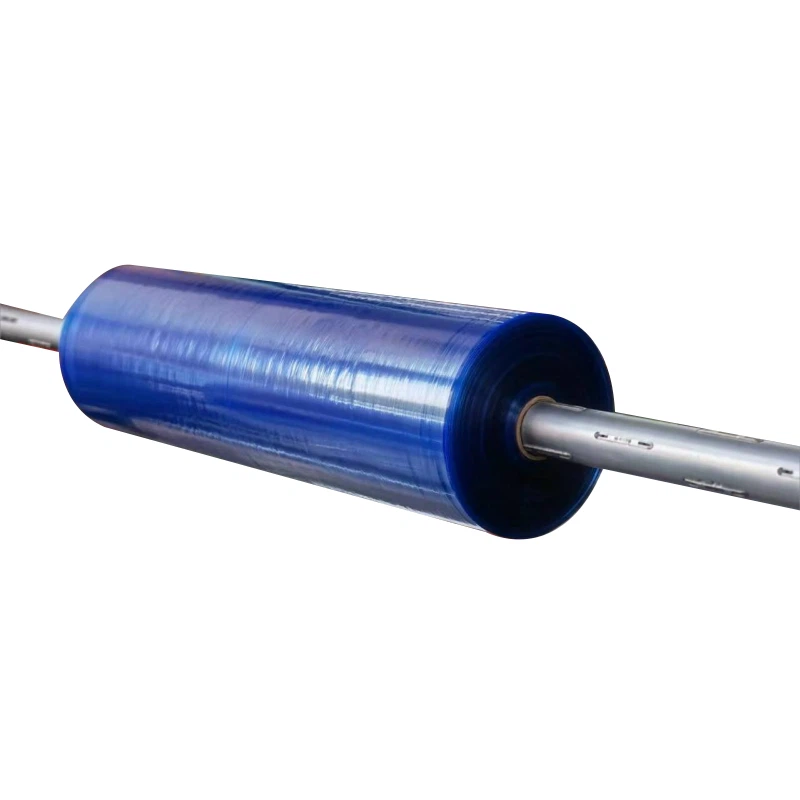

- Thickness Measurement: We use advanced thickness measurement equipment to check the uniformity of the film thickness. Any significant variations in thickness can indicate potential flatness issues. If the thickness is not consistent, adjustments can be made to the extrusion process.
- Visual Inspection: Visual inspection is also crucial. We look for any signs of wrinkles, warping, or uneven surfaces. This can be done manually or with the help of automated inspection systems. Any defective products are removed from the production line to ensure that only high - quality, flat PVC film is delivered to our customers.
Product Introduction
We offer a wide range of PVC films, including PVC Crystal Clear Film, Crystal PVC Laminate, and Colored PVC Film. Our films are known for their excellent flatness, high transparency, and durability. Whether you need PVC film for packaging, decoration, or other applications, we can provide you with the right solution.
Conclusion
Ensuring the flatness of PVC film requires a comprehensive approach that covers raw material selection, extrusion process control, cooling and setting, winding and storage, and quality inspection. By paying attention to these aspects, we can produce high - quality PVC film with excellent flatness.
If you are interested in our PVC film products or have any questions about ensuring the flatness of PVC film, please feel free to contact us for procurement and further discussions. We are committed to providing you with the best products and services.
References
- "Plastics Extrusion Technology" by Rauwendaal, C.
- "PVC Technology" by Wilson, C.