

Hey there! I'm a supplier of Raincoat Printed Film, and I often get asked if this kind of film can be recycled. It's a super important question, not just for our environment but also for the future of our industry. So, let's dig into it and find out the real deal.
First off, what exactly is Raincoat Printed Film? Well, it's a special type of film that's used to make raincoats. It's printed with all sorts of cool designs, and it needs to be waterproof and durable. We use it to make raincoats that are not only functional but also look great. You can check out more about it here: Raincoat Printed Film.

Now, let's talk about recycling. Recycling is all about taking materials that we no longer need and turning them into something new. It's a great way to reduce waste and protect our planet. But when it comes to Raincoat Printed Film, things get a bit tricky.
Most Raincoat Printed Films are made from PVC (polyvinyl chloride). PVC is a widely used plastic, but it's not the easiest to recycle. One of the main problems is that the printing on the film can make it difficult to separate the different components. The ink and other additives used in the printing process can contaminate the PVC, making it less suitable for recycling.
However, that doesn't mean it's impossible to recycle Raincoat Printed Film. There are some advanced recycling technologies out there that can handle these challenges. For example, some recycling facilities use chemical processes to break down the PVC and remove the printing. This allows them to recover the PVC and use it to make new products.
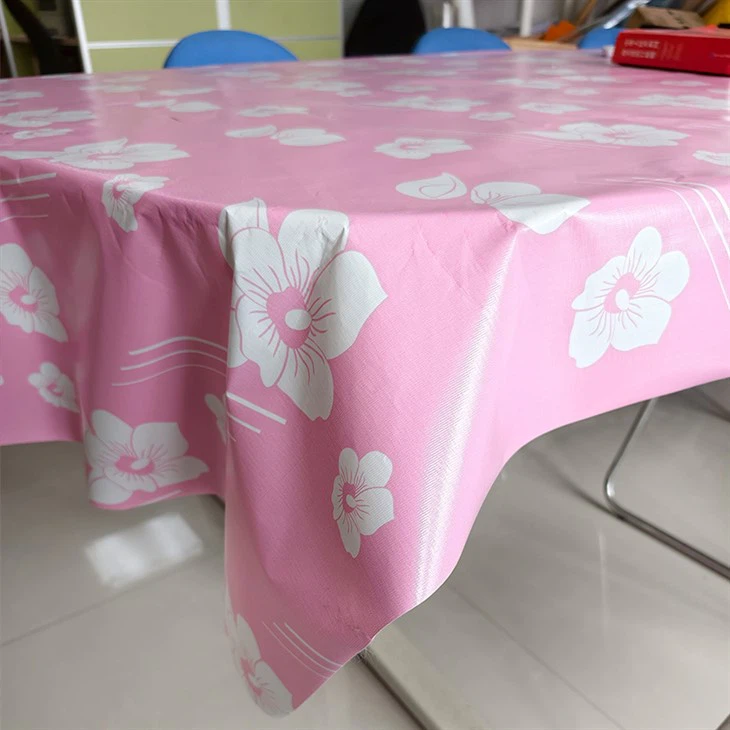
Another option is to reuse the Raincoat Printed Film. Instead of recycling it, we can find new ways to use it. For instance, we can cut it into smaller pieces and use it for other purposes, like making Yarn Fabric Tablecloth or Printed PVC Tablecloth. This way, we can extend the lifespan of the film and reduce waste.
So, what can we do as suppliers and consumers to make Raincoat Printed Film more recyclable? Here are a few suggestions:
- Choose sustainable materials: When making Raincoat Printed Film, we should try to use more sustainable materials. For example, we can look for alternatives to PVC that are easier to recycle. There are some new types of plastics and biodegradable materials that are becoming more popular in the industry.
- Improve the printing process: We can also work on improving the printing process to make it more environmentally friendly. This could involve using water-based inks or other non-toxic printing methods. By reducing the amount of contaminants in the film, we can make it easier to recycle.
- Educate consumers: It's important to educate consumers about the importance of recycling and how to properly recycle Raincoat Printed Film. We can provide clear instructions on how to dispose of the film and encourage them to recycle it whenever possible.
- Support recycling initiatives: As suppliers, we can support recycling initiatives by working with recycling facilities and promoting the use of recycled materials. We can also encourage our customers to choose products made from recycled materials.
In conclusion, while Raincoat Printed Film can be challenging to recycle, it's not impossible. With the right technologies and initiatives, we can make it more sustainable and reduce its impact on the environment. As a supplier, I'm committed to finding ways to make our products more recyclable and to promoting a more sustainable future.
If you're interested in purchasing Raincoat Printed Film or have any questions about our products, please don't hesitate to contact us. We're always happy to help and look forward to working with you.
References:
- "Recycling of PVC Products: An Overview" - Journal of Environmental Management
- "Sustainable Materials in the Textile Industry" - Textile Research Journal