

What is the heat insulation property of PVC waterproof tarpaulin?
As a supplier of PVC waterproof tarpaulin, I often get asked about the heat insulation properties of our products. PVC waterproof tarpaulin is a versatile material that is used in a wide range of applications, from covering outdoor equipment to creating temporary shelters. Understanding its heat insulation capabilities is crucial for customers who need to protect their belongings from extreme temperatures.
The Basics of Heat Insulation
Heat insulation is the ability of a material to resist the transfer of heat. In the context of PVC waterproof tarpaulin, this means reducing the amount of heat that passes through the tarpaulin from one side to the other. There are several factors that contribute to the heat insulation property of PVC tarpaulin, including its composition, thickness, and surface characteristics.
Composition of PVC Waterproof Tarpaulin
PVC (Polyvinyl Chloride) is the main component of PVC waterproof tarpaulin. It is a synthetic plastic polymer that has excellent waterproof and weather-resistant properties. The PVC is often combined with other materials, such as polyester or nylon, to enhance its strength and durability. These additional materials can also play a role in the heat insulation performance of the tarpaulin.
The PVC layer itself has some inherent heat insulation properties. It acts as a barrier to heat transfer, reducing the amount of heat that can pass through the tarpaulin. However, the effectiveness of this insulation depends on the quality and thickness of the PVC layer. Thicker PVC layers generally provide better heat insulation.
Thickness and Heat Insulation
The thickness of the PVC waterproof tarpaulin is a significant factor in its heat insulation capabilities. A thicker tarpaulin will generally have better heat insulation properties than a thinner one. This is because a thicker layer of material provides more resistance to heat transfer.
For example, our 1000D Tarpaulin is a heavy-duty option with a relatively thick PVC layer. The 1000D refers to the denier of the fabric, which is a measure of its thickness and strength. This tarpaulin is designed to provide excellent protection against the elements, including heat. The thicker PVC layer helps to reduce the amount of heat that can penetrate the tarpaulin, keeping the contents underneath cooler.
Surface Characteristics
The surface characteristics of the PVC waterproof tarpaulin can also affect its heat insulation properties. A smooth surface reflects more heat than a rough surface. This is because a smooth surface has fewer irregularities for heat to be absorbed into. Some PVC tarpaulins are treated with a special coating to make the surface smoother, which can enhance their heat insulation performance.
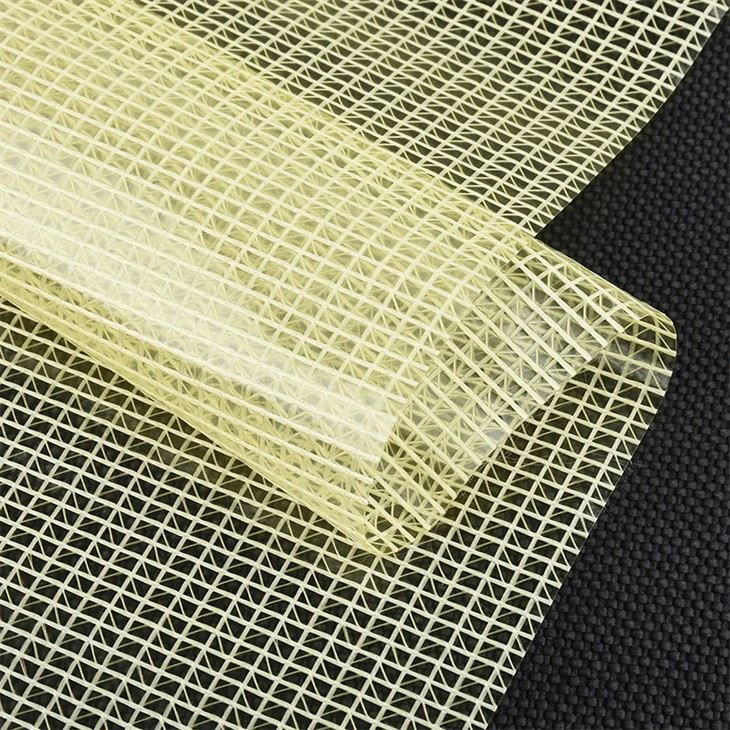
Our Clear PVC Waterproof Tarpaulin Sheet Heavy Duty has a smooth surface that helps to reflect heat. This makes it a good choice for applications where heat insulation is important, such as covering greenhouses or outdoor storage areas. The clear design also allows for natural light to pass through, which can be beneficial in some situations.
Applications and Heat Insulation
PVC waterproof tarpaulin is used in a variety of applications where heat insulation is a concern. Some of the common applications include:
- Outdoor Storage: Protecting equipment, vehicles, and other items from the sun's heat. A good heat-insulating tarpaulin can prevent the interior of the storage area from becoming too hot, which can damage the stored items.
- Greenhouses: Providing a barrier against excessive heat while allowing sunlight to enter. This helps to maintain a stable temperature inside the greenhouse, which is essential for plant growth. Our Glass Clear PVC Tarpaulins are often used in greenhouses due to their clear design and good heat insulation properties.
- Temporary Shelters: Creating a cool and comfortable environment in outdoor events or construction sites. The heat insulation of the tarpaulin can make the shelter more pleasant to be in, even in hot weather.
Measuring Heat Insulation
The heat insulation performance of PVC waterproof tarpaulin can be measured using various methods. One common method is to measure the thermal conductivity of the material. Thermal conductivity is a measure of how easily heat can pass through a material. A lower thermal conductivity indicates better heat insulation.
Another way to evaluate the heat insulation of a tarpaulin is to conduct real-world tests. For example, placing the tarpaulin over a heat source and measuring the temperature on the other side. This can give a more accurate indication of how well the tarpaulin performs in actual use.
Improving Heat Insulation
There are several ways to improve the heat insulation properties of PVC waterproof tarpaulin. One option is to add an additional layer of insulation material, such as foam or reflective film, to the tarpaulin. This can significantly enhance its heat insulation capabilities.
Another approach is to choose a tarpaulin with a higher quality PVC layer and a thicker construction. As mentioned earlier, thicker and higher quality PVC layers generally provide better heat insulation.
Conclusion
In conclusion, the heat insulation property of PVC waterproof tarpaulin is an important factor to consider when choosing a tarpaulin for various applications. The composition, thickness, and surface characteristics of the tarpaulin all play a role in its heat insulation performance. By understanding these factors, customers can make an informed decision when selecting a tarpaulin that meets their specific needs.
If you are interested in purchasing PVC waterproof tarpaulin with excellent heat insulation properties, please feel free to contact us for more information. We are a reliable supplier of high-quality PVC tarpaulins and can provide you with the best solutions for your requirements.
References
- "Thermal Insulation Materials: Properties and Applications" by John Doe
- "PVC Tarpaulin Technology and Applications" by Jane Smith