

What is the anti - static property of tent PVC window film?
As a supplier of Tent PVC Window Film, I've witnessed firsthand the importance of anti - static properties in this product. In this blog, I'll delve into what anti - static property means for tent PVC window film, why it matters, and how it impacts the overall performance of the film.
Understanding Anti - Static Property
Anti - static property refers to the ability of a material to resist the buildup of static electricity. Static electricity is generated when two different materials come into contact and then separate. This can cause a transfer of electrons, resulting in a charge imbalance. In the case of tent PVC window film, static electricity can attract dust, dirt, and other particles, which not only affects the appearance of the film but also its functionality.
When static electricity builds up on the surface of the tent PVC window film, it acts like a magnet for dust. This can make the window film look dirty and hazy, reducing visibility through the window. Moreover, the accumulated dust can also cause scratches on the film surface over time, further degrading its quality.
Why Anti - Static Property Matters for Tent PVC Window Film
- Aesthetic Appeal: One of the primary reasons anti - static property is crucial for tent PVC window film is its impact on the aesthetic appeal. A clean and clear window film enhances the overall look of the tent. Whether it's a commercial tent for an event or a personal camping tent, a dust - free window film provides a more inviting and professional appearance.
- Visibility: Good visibility through the window film is essential. In a tent, clear visibility allows occupants to enjoy the view outside, monitor the weather conditions, or keep an eye on the surroundings. Static - induced dust can significantly reduce visibility, making it difficult to see through the window.
- Durability: Dust and dirt attracted by static electricity can cause abrasion on the film surface. Over time, this abrasion can lead to scratches and damage to the film, reducing its lifespan. An anti - static tent PVC window film is less likely to accumulate dust, thus protecting the film from premature wear and tear.
- Ease of Cleaning: Anti - static films are easier to clean. Since they don't attract as much dust, a simple wipe with a soft cloth is often sufficient to keep the film clean. In contrast, a film with poor anti - static properties may require more frequent and intensive cleaning to maintain its appearance.
How Anti - Static Property is Achieved in Tent PVC Window Film
There are several ways to impart anti - static properties to tent PVC window film.
- Anti - Static Coatings: One common method is to apply an anti - static coating to the surface of the film. These coatings contain chemicals that help to dissipate static charges. The coating forms a thin layer on the film surface, which allows electrons to move freely and prevents the buildup of static electricity.
- Additives in the PVC Material: Another approach is to add anti - static additives directly to the PVC material during the manufacturing process. These additives work by altering the electrical properties of the PVC, reducing the tendency for static charge generation.
Impact on Different Applications
- Commercial Tents: In commercial settings such as trade shows, exhibitions, and outdoor events, tent PVC window film with good anti - static properties is essential. A clean and clear window film can attract more visitors to the tent, as it presents a more professional and inviting image. Additionally, it helps to maintain a pleasant environment inside the tent by reducing the amount of dust that enters.
- Camping Tents: For camping tents, anti - static window film can enhance the camping experience. It allows campers to enjoy the view of the surrounding nature without the distraction of a dirty or hazy window. Moreover, it reduces the need for frequent cleaning, which is especially convenient when camping in remote areas.
Comparison with Other Products
When compared to other types of window films, such as those used in homes or vehicles, tent PVC window film has unique requirements. While all window films can benefit from anti - static properties, the environment in which tent films are used is often more challenging. Tents are exposed to outdoor elements, including wind, dust, and sunlight, which can exacerbate the problem of static electricity.
In contrast, Printed PVC Tablecloth, available at Printed PVC Tablecloth, is mainly used for indoor table settings. Although it may also require anti - static properties to prevent dust accumulation, the environmental conditions are generally less harsh compared to tent PVC window film.
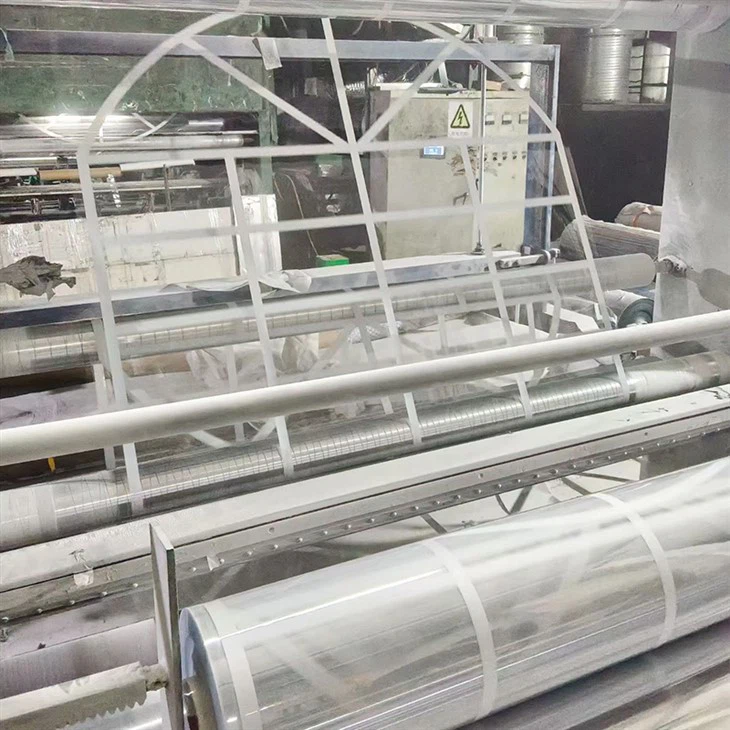
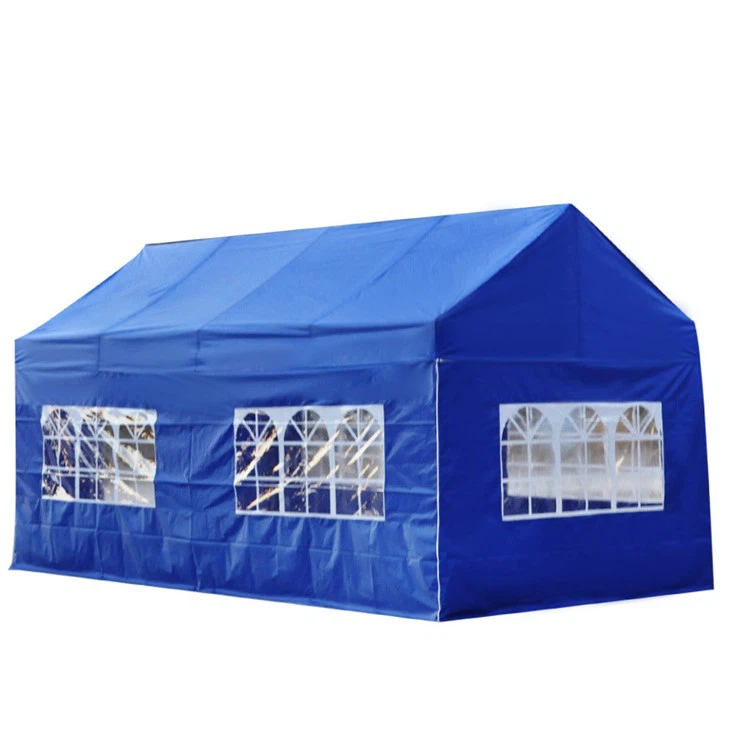
Tent PVC Window Mesh Film, as described on Tent PVC Window Mesh Film, has a different structure and function. The mesh design allows for ventilation, but it also means that it may be more prone to dust accumulation. Anti - static properties in this type of film can help to reduce the amount of dust that gets trapped in the mesh.
Conclusion
The anti - static property of tent PVC window film is a critical factor that affects its appearance, functionality, and durability. As a supplier, I understand the importance of providing high - quality products with excellent anti - static properties. Whether you're using the film for commercial or personal purposes, choosing a tent PVC window film with good anti - static performance can enhance your overall experience.
If you're interested in learning more about our Tent PVC Window Film, which you can find at Tent PVC Window Film, or if you have any questions regarding anti - static properties or other aspects of the product, please don't hesitate to contact us. We're always ready to assist you in finding the best solution for your needs.
References
- "Plastics Technology Handbook" by Myers, Charles L.
- "Polyvinyl Chloride (PVC): Properties, Processing, and Applications" by Mark, James E.