

Hey there! As a supplier of Matte EVA Tarp, I get a lot of questions about its heat resistance. So, I thought I'd dive into this topic and share some useful info with you.
First off, let's understand what Matte EVA Tarp is. EVA stands for ethylene - vinyl acetate, which is a copolymer. The matte finish gives the tarp a non - shiny, smooth look, making it aesthetically pleasing in many applications. You can check out our Matte EVA Tarp on our website to see what I'm talking about.
Now, onto the heat resistance. Heat resistance is a crucial factor when it comes to tarps. After all, they're often used outdoors, where they can be exposed to direct sunlight and high temperatures. The heat resistance of a Matte EVA Tarp depends on several factors, including the composition of the EVA material and the manufacturing process.
The EVA material itself has a certain level of heat tolerance. Generally, EVA starts to soften at around 70 - 90 degrees Celsius (158 - 194 degrees Fahrenheit). However, the heat resistance of our Matte EVA Tarp is enhanced through our special manufacturing techniques. We add certain additives during the production process that help increase its ability to withstand higher temperatures.
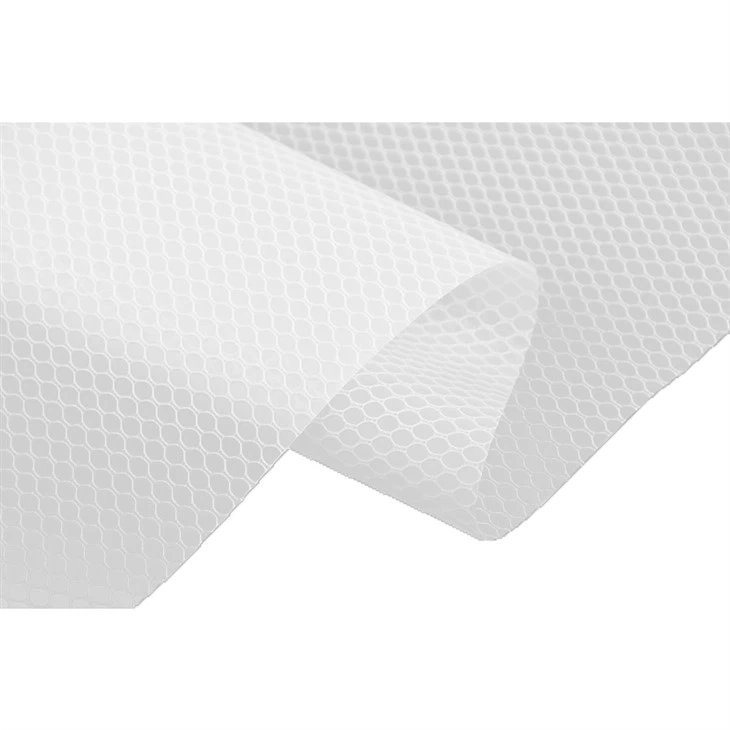
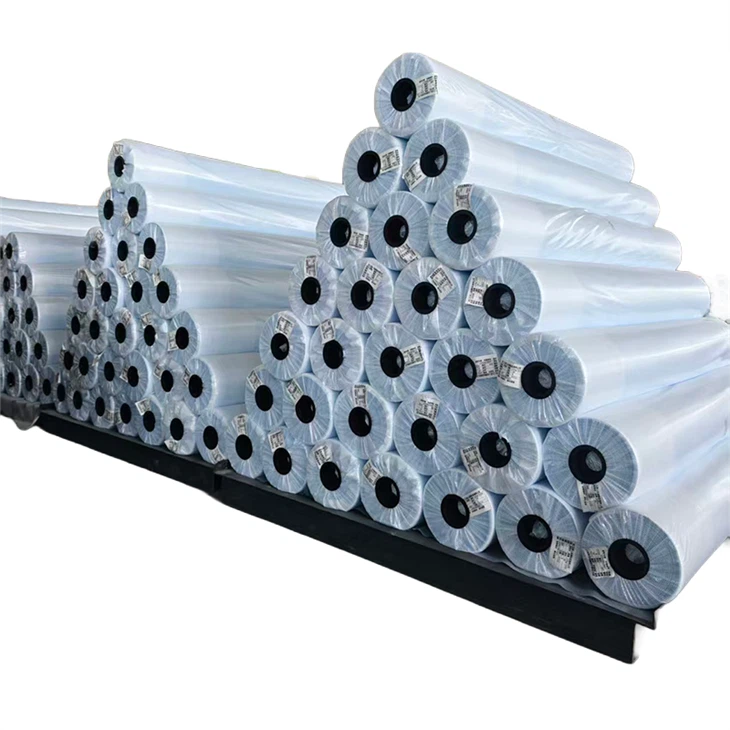
In real - world scenarios, our Matte EVA Tarp can handle quite a bit of heat. For example, in regions with hot summers, where the temperature can soar to 40 - 50 degrees Celsius (104 - 122 degrees Fahrenheit), our tarps perform well. They don't warp or lose their shape easily, maintaining their integrity and functionality.
One of the reasons for this good heat resistance is the cross - linking of the EVA molecules. Through a cross - linking process, the molecules form a more stable structure, which can better resist the effects of heat. This cross - linking also improves the tarp's overall durability and strength.
Another aspect to consider is the thickness of the Matte EVA Tarp. Thicker tarps generally have better heat resistance. Our tarps come in different thicknesses, and the thicker ones are more suitable for areas with extremely high temperatures. They act as a better barrier against heat transfer, keeping whatever is underneath the tarp cooler.
Let's talk about some of the applications where heat resistance is really important. One common use is in agriculture. Farmers use our Matte EVA Tarp to cover crops. In hot climates, the tarp needs to be able to withstand the sun's rays without melting or degrading. Our tarps protect the crops from excessive heat, while also allowing some air circulation to prevent overheating.
In the construction industry, our tarps are used to cover building materials. During the summer months, the materials can get very hot under the sun. A heat - resistant Matte EVA Tarp ensures that the materials remain in good condition, preventing damage due to heat expansion or other heat - related issues.
When compared to other types of tarps, like Colored Clear EVA Tarpaulin or Frosted EVA Tarpaulin, our Matte EVA Tarp has its own unique heat - resistant properties. The colored clear tarpaulin may let more sunlight through, which could potentially increase the heat inside. The frosted tarpaulin has a different surface finish, but our matte tarp offers a good balance of heat resistance and aesthetics.
We've also conducted some tests to measure the heat resistance of our Matte EVA Tarp. In a controlled environment, we exposed the tarp to different temperatures for a set period of time. We measured factors like dimensional stability, strength, and color change. The results showed that our tarp maintained its properties well even at relatively high temperatures.
However, it's important to note that no tarp is completely immune to the effects of heat. If the temperature gets extremely high, over a long period of time, there may be some minor changes in the tarp. For example, it might become a bit more flexible or show a slight discoloration. But these changes are usually minimal and don't affect the overall functionality of the tarp.
If you're in a situation where you need a tarp with high heat resistance, I'd recommend choosing a thicker Matte EVA Tarp. Also, make sure to install the tarp properly. Leaving some space between the tarp and the surface it's covering can help with air circulation, reducing the heat build - up.
In conclusion, our Matte EVA Tarp has a good level of heat resistance, thanks to its EVA composition, special manufacturing techniques, and cross - linking. It's suitable for a wide range of applications where heat protection is required. Whether you're in agriculture, construction, or any other industry that needs a reliable tarp, our Matte EVA Tarp could be a great choice.
If you're interested in purchasing our Matte EVA Tarp or want to learn more about its heat resistance and other properties, don't hesitate to get in touch. We're always happy to answer your questions and discuss your specific needs.
References:
- Industry research on EVA materials and their properties
- In - house testing reports on Matte EVA Tarp heat resistance