

Hey there! I'm a supplier of Raincoat Printed Film, and today I'm super excited to walk you through the production process of this amazing product.
1. Raw Material Selection
The first step in making Raincoat Printed Film is choosing the right raw materials. We mainly use high - quality PVC (Polyvinyl Chloride) resin. This resin is a game - changer because it's durable, flexible, and has excellent waterproof properties. We source our PVC resin from trusted suppliers who meet strict quality standards. The quality of the resin directly affects the final performance of the raincoat film. If the resin is of poor quality, the film may be brittle, less waterproof, or have a shorter lifespan.
We also add some additives to the PVC resin. These additives include plasticizers, stabilizers, and pigments. Plasticizers make the film more flexible, so it can bend and stretch without cracking. Stabilizers help the film resist heat, light, and oxidation, which extends its lifespan. Pigments are used to give the film different colors. For example, if a customer wants a bright yellow raincoat, we'll add the appropriate yellow pigment to the resin mixture.
2. Mixing and Compounding
Once we have all the raw materials, it's time to mix them together. We use a high - speed mixer to blend the PVC resin, plasticizers, stabilizers, and pigments thoroughly. This process ensures that all the components are evenly distributed in the mixture. The mixing time and speed are carefully controlled to achieve the best results. If the mixing is not done properly, the film may have uneven color or inconsistent properties.
After mixing, the compound is then sent to an extruder. The extruder heats the compound to a specific temperature, usually around 180 - 200 degrees Celsius. As the compound is heated, it becomes molten and is forced through a die. The die gives the film its shape and thickness. We can adjust the die to produce films of different widths and thicknesses according to customer requirements.
3. Printing
Now comes the fun part - printing! There are several printing methods we can use for Raincoat Printed Film, but the most common one is digital printing. Digital printing allows us to print high - resolution images, patterns, and text on the film. It's very flexible because we can easily change the design without having to make expensive printing plates.
Before printing, we need to prepare the film surface. We treat the film with a special coating to improve the adhesion of the ink. This coating ensures that the printed image will not fade or peel off easily. Then, we load the digital design into the printing machine. The printing machine sprays tiny droplets of ink onto the film surface according to the design. The ink dries quickly, and we get a beautiful, vividly printed film.
We can print all kinds of designs on the raincoat film, from simple solid colors to complex patterns like floral prints, animal prints, or even custom - made logos. For example, a fashion brand may want to print their logo on the raincoat film to promote their brand. Or a children's raincoat manufacturer may choose a cute cartoon pattern to attract kids.

4. Lamination
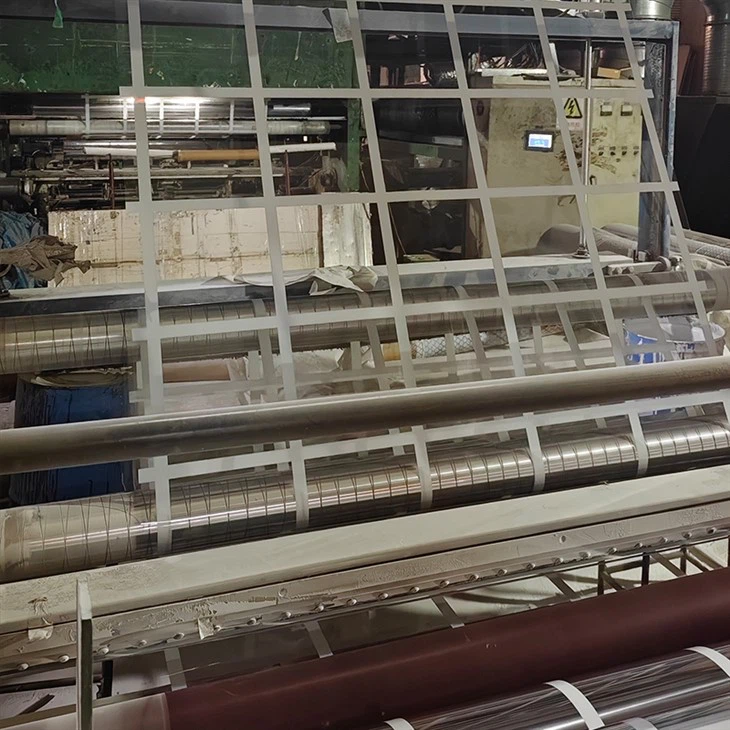
After printing, we often laminate the film to improve its durability and performance. Lamination involves applying a thin layer of another material, usually a clear PVC film or a protective coating, on top of the printed film. This layer protects the printed image from scratches, abrasion, and UV rays.
We use a laminating machine to bond the two layers together. The machine applies heat and pressure to ensure a strong and even bond. The lamination process also helps to make the film more waterproof and resistant to chemicals. For example, if the raincoat gets wet in acid rain, the laminated layer can protect the printed film from damage.
5. Quality Control
Quality control is an essential part of the production process. We have a strict quality control system in place to ensure that every roll of Raincoat Printed Film meets our high standards. We check the film for thickness, width, color, and print quality. We also test the film for waterproofness, flexibility, and durability.
For example, we use a waterproof test machine to check if the film can prevent water from passing through. We bend and stretch the film multiple times to test its flexibility. If any roll of film fails the quality test, it is either re - worked or discarded. This way, we can guarantee that our customers receive only the best - quality products.
6. Packaging and Storage
Once the film passes the quality control, it's time to package it. We usually roll the film onto a core and wrap it with a protective plastic film. The packaging helps to protect the film from dust, moisture, and damage during transportation and storage.
We store the packaged film in a dry and cool warehouse. The temperature and humidity in the warehouse are carefully controlled to prevent the film from deteriorating. We also label each roll of film with important information such as the product name, size, color, and batch number. This makes it easy for us to track and manage the products.
Related Products
If you're interested in other PVC printing films, we also offer Tent PVC Window Film, Yarn Fabric Tablecloth, and Printed PVC Tablecloth. These products are also made with high - quality materials and advanced printing techniques.
Contact Us for Purchase
If you're in the market for Raincoat Printed Film or any of our other products, don't hesitate to reach out. We're always ready to have a chat about your specific needs, answer any questions you may have, and provide you with a competitive quote. Whether you're a small business looking for a unique raincoat design or a large manufacturer in need of bulk orders, we've got you covered.
References
- "Plastics Technology Handbook" by Myers, Charles L.
- "Printing Technology: Principles and Practices" by Firth, David.