

As a PVC tarpaulin supplier, I often encounter inquiries from customers about the safety of PVC tarpaulins, specifically whether they emit harmful substances. This is a crucial concern, especially considering the wide range of applications for PVC tarpaulins, from industrial uses to outdoor protection. In this blog, I'll delve into the science behind PVC tarpaulins and address the question of harmful emissions.
Understanding PVC Tarpaulins
PVC, or polyvinyl chloride, is a synthetic plastic polymer that is widely used in various industries due to its durability, flexibility, and cost - effectiveness. PVC tarpaulins are made by coating a base fabric, such as polyester or nylon, with a layer of PVC. This coating provides the tarpaulin with waterproof, UV - resistant, and tear - resistant properties.
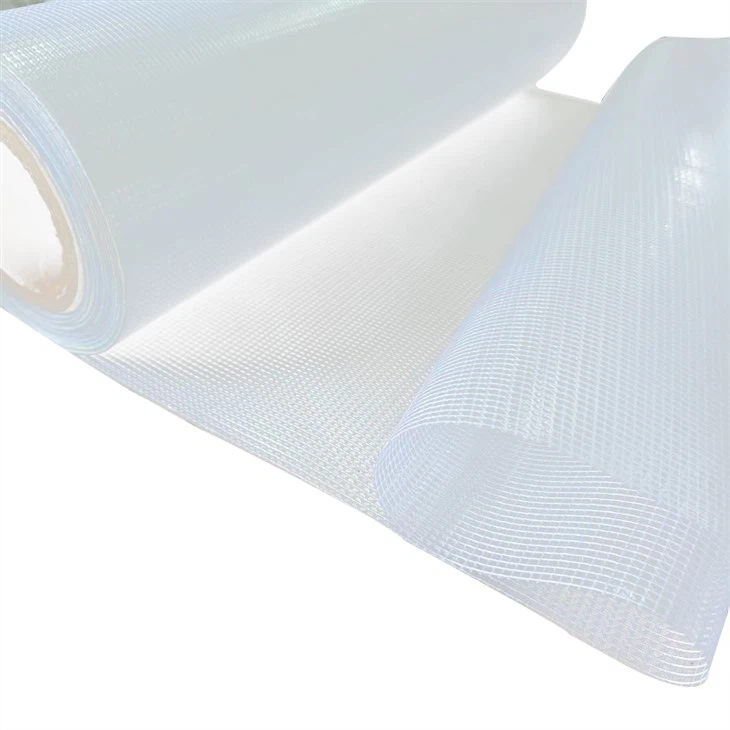
There are different types of PVC tarpaulins available in the market, including Waterproof PVC Tarpaulin, Clear PVC Waterproof Tarpaulin, and PVC Transparent Tarpaulin. Each type has its own unique features and applications, but they all share the basic composition of PVC.

Potential Harmful Substances in PVC
PVC itself is not inherently harmful. However, during the production process, certain additives are used to enhance its properties. These additives can potentially be a source of concern.
Phthalates
Phthalates are a group of chemicals commonly used as plasticizers in PVC products. They make the PVC more flexible and durable. However, some phthalates have been linked to health problems, such as hormonal disruptions, reproductive issues, and developmental problems in children. In response to these concerns, many countries have implemented regulations to restrict the use of certain phthalates in consumer products.
As a responsible supplier, we ensure that our PVC tarpaulins comply with international standards regarding phthalate content. We use phthalate - free plasticizers in our products to minimize any potential health risks.
Lead and Cadmium
Lead and cadmium are heavy metals that were once commonly used as stabilizers in PVC products. These metals can be toxic if ingested or inhaled. In recent years, there has been a significant push to reduce the use of lead and cadmium in PVC products. Our PVC tarpaulins are manufactured with lead - free and cadmium - free stabilizers, ensuring that they meet the strictest environmental and safety standards.
Dioxins
Dioxins are a group of highly toxic chemicals that can be produced during the production, incineration, or improper disposal of PVC products. However, modern production processes have significantly reduced the formation of dioxins. At our manufacturing facilities, we follow strict environmental protocols to minimize the generation of dioxins during the production of PVC tarpaulins.
Emission of Harmful Substances
Under normal conditions of use, PVC tarpaulins do not emit significant amounts of harmful substances. The additives in PVC are generally well - bound to the polymer matrix, and the risk of leaching or emission is low.
However, certain factors can increase the likelihood of harmful substance emission. For example, high temperatures can cause the PVC to break down and release additives. If a PVC tarpaulin is exposed to direct sunlight for extended periods or is used in a high - temperature environment, there may be a slight increase in the emission of volatile organic compounds (VOCs).
To mitigate these risks, our PVC tarpaulins are formulated with UV stabilizers to protect against the effects of sunlight and heat. This helps to maintain the integrity of the PVC and reduce the potential for harmful substance emission.
Safety Standards and Certifications
We are committed to providing high - quality and safe PVC tarpaulins to our customers. Our products are tested and certified to meet various international safety standards, such as REACH (Registration, Evaluation, Authorization and Restriction of Chemicals) and RoHS (Restriction of Hazardous Substances). These certifications ensure that our PVC tarpaulins are free from harmful substances and are safe for use in a wide range of applications.
Environmental Impact
In addition to the safety of the products, we also consider the environmental impact of PVC tarpaulins. PVC is a recyclable material, and we encourage our customers to recycle their used tarpaulins at the end of their life cycle. By recycling PVC tarpaulins, we can reduce the amount of waste sent to landfills and conserve natural resources.
Conclusion
In conclusion, when produced and used properly, PVC tarpaulins do not pose a significant risk of emitting harmful substances. Our company takes every precaution to ensure that our PVC tarpaulins are safe for use and comply with international safety standards. We use phthalate - free plasticizers, lead - free and cadmium - free stabilizers, and follow strict environmental protocols during the production process.
If you are in the market for high - quality and safe PVC tarpaulins, we invite you to contact us for more information. Whether you need Waterproof PVC Tarpaulin, Clear PVC Waterproof Tarpaulin, or PVC Transparent Tarpaulin, we have the products to meet your needs. We look forward to discussing your requirements and providing you with the best PVC tarpaulin solutions.
References
- European Chemicals Agency (ECHA). "REACH - Registration, Evaluation, Authorization and Restriction of Chemicals."
- International Electrotechnical Commission (IEC). "RoHS - Restriction of Hazardous Substances."
- World Health Organization (WHO). "Guidelines for Drinking - water Quality."