

As a PVC printing film supplier, I understand the importance of getting the printing settings right for optimal results. PVC printing film is a versatile material used in various applications, from Raincoat Printed Film to Yarn Fabric Tablecloth and PVC Film For Printing. In this blog post, I will share some tips on how to adjust the printing settings for PVC printing film.
Understanding the Basics of PVC Printing Film
Before diving into the printing settings, it's essential to understand the characteristics of PVC printing film. PVC, or polyvinyl chloride, is a synthetic plastic polymer known for its durability, flexibility, and resistance to moisture. PVC printing film comes in different thicknesses, finishes, and colors, which can affect the printing process.
Printer Compatibility
The first step in adjusting the printing settings is to ensure that your printer is compatible with PVC printing film. Not all printers are designed to handle PVC materials, so it's crucial to check the printer's specifications before attempting to print on PVC film. Look for printers that are specifically designed for printing on vinyl or other plastic materials.
Print Resolution
Print resolution is one of the most critical factors in achieving high-quality prints on PVC film. The resolution is measured in dots per inch (DPI), and a higher DPI generally results in sharper and more detailed prints. For PVC printing film, a resolution of at least 300 DPI is recommended for optimal results. However, the specific resolution may vary depending on the printer and the type of PVC film being used.
Ink Selection
The type of ink used for printing on PVC film can significantly impact the print quality and durability. There are several types of inks available for PVC printing, including solvent-based, eco-solvent, and UV-curable inks.
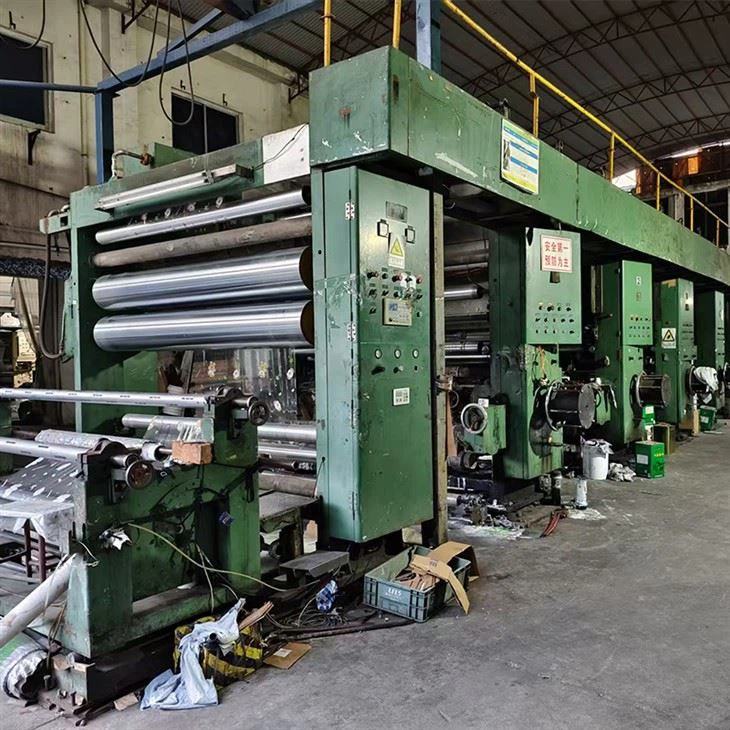

- Solvent-based inks: These inks are known for their excellent adhesion and durability. They are suitable for outdoor applications where the prints need to withstand harsh weather conditions. However, solvent-based inks can emit strong fumes and require proper ventilation.
- Eco-solvent inks: Eco-solvent inks are a more environmentally friendly alternative to solvent-based inks. They have lower VOC (volatile organic compound) emissions and are less toxic. Eco-solvent inks also offer good adhesion and durability, making them suitable for both indoor and outdoor applications.
- UV-curable inks: UV-curable inks are cured by exposure to ultraviolet light, which results in fast drying times and high-quality prints. They offer excellent adhesion, scratch resistance, and color vibrancy. UV-curable inks are suitable for a wide range of applications, including indoor and outdoor signage.
Print Speed
Print speed can affect the quality of the prints on PVC film. A slower print speed generally results in better print quality, as the printer has more time to apply the ink evenly. However, slower print speeds can also increase the printing time. It's important to find a balance between print speed and print quality based on your specific needs.
Temperature and Humidity
The temperature and humidity of the printing environment can also impact the printing process. PVC film is sensitive to temperature and humidity changes, which can cause the film to expand or contract. This can result in misaligned prints or poor adhesion. It's recommended to print in a controlled environment with a temperature range of 20-25°C (68-77°F) and a humidity range of 40-60%.
Pre-Treatment
Pre-treating the PVC film before printing can improve the adhesion of the ink and enhance the print quality. There are several pre-treatment methods available, including corona treatment, primer application, and surface cleaning.
- Corona treatment: Corona treatment is a process that uses high-voltage electricity to create a rough surface on the PVC film. This rough surface helps the ink adhere better to the film.
- Primer application: Applying a primer to the PVC film can also improve the adhesion of the ink. Primers are specially formulated coatings that create a bonding layer between the film and the ink.
- Surface cleaning: Cleaning the surface of the PVC film before printing is essential to remove any dust, dirt, or oils that may affect the adhesion of the ink. You can use a mild detergent and water to clean the film, followed by a thorough rinse and drying.
Post-Treatment
After printing on PVC film, it's important to perform post-treatment to ensure the durability and longevity of the prints. Post-treatment methods include lamination, heat curing, and UV coating.
- Lamination: Laminating the printed PVC film can protect the prints from scratches, fading, and moisture. There are different types of laminates available, including gloss, matte, and satin finishes.
- Heat curing: Heat curing the printed PVC film can help the ink bond better to the film and improve the durability of the prints. Heat curing can be done using a heat press or an oven.
- UV coating: Applying a UV coating to the printed PVC film can provide additional protection against UV rays and improve the color vibrancy of the prints.
Testing and Calibration
Before printing a large batch of PVC film, it's important to perform test prints and calibration to ensure that the printing settings are correct. Test prints can help you identify any issues with the print quality, such as color accuracy, ink adhesion, and alignment. You can adjust the printing settings based on the results of the test prints to achieve the desired print quality.
Conclusion
Adjusting the printing settings for PVC printing film requires careful consideration of several factors, including printer compatibility, print resolution, ink selection, print speed, temperature, humidity, pre-treatment, and post-treatment. By following these tips, you can achieve high-quality prints on PVC film that are durable, vibrant, and long-lasting.
If you are interested in purchasing PVC printing film or have any questions about the printing process, please feel free to contact us for more information. We are a leading supplier of PVC printing film and can provide you with the best products and services to meet your needs.
References
- Smith, J. (2020). Printing on PVC Film: A Comprehensive Guide. Printing Industry Magazine.
- Johnson, A. (2019). The Impact of Printing Settings on PVC Film Quality. Journal of Printing Technology.
- Brown, C. (2018). Best Practices for Printing on PVC Film. Packaging World.