

Hey there! As a supplier of Clear PVC Film Roll, I've gotten a ton of questions about how to make these rolls stick better. It's a common issue, and I'm here to share some tips and tricks that have worked for me and my customers over the years.
Understanding the Basics of Clear PVC Film Roll
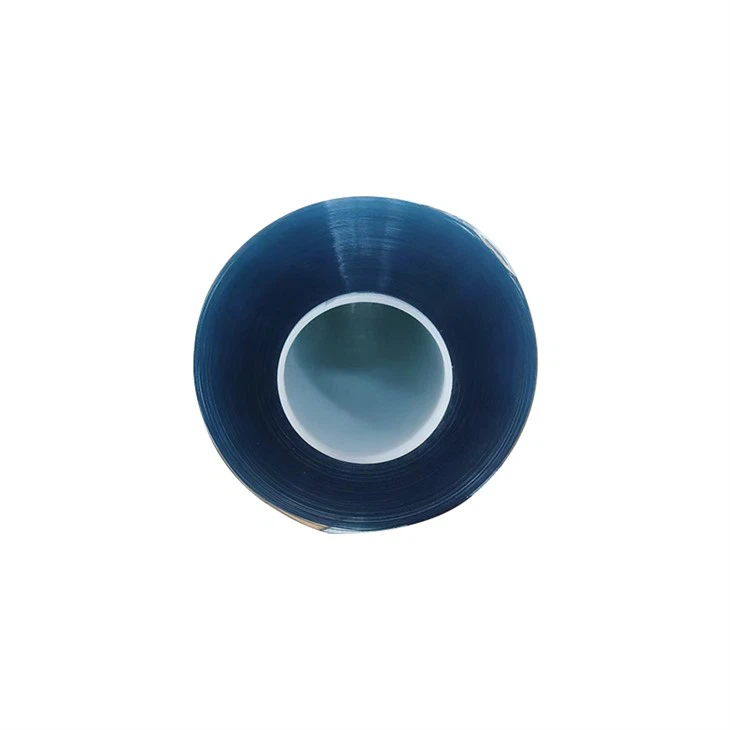
First off, let's talk a bit about what Clear PVC Film Roll is. It's a super versatile material that's used in a whole bunch of applications, from packaging to industrial uses. The clear PVC gives it a see - through look, which is great for showing off the products inside. But getting it to stick properly can be a bit of a challenge.
The stickiness of the PVC film depends on a few factors. One of the main ones is the surface it's being applied to. If the surface is dirty, greasy, or rough, the film won't stick as well. So, before you start applying the film, make sure the surface is clean and dry. You can use a mild detergent and a clean cloth to wipe it down. Then, let it dry completely.
Choosing the Right Adhesive
Another crucial factor is the adhesive. There are different types of adhesives available for PVC film, and choosing the right one can make a huge difference.
Pressure - Sensitive Adhesives (PSA)
PSA is one of the most common types of adhesives used with PVC film. It works by applying pressure to the film, which activates the adhesive. These adhesives are easy to use and can provide a strong bond. However, they might not be the best choice for all applications. For example, if the film is going to be exposed to high temperatures or moisture, PSA might not hold up as well.
Solvent - Based Adhesives
Solvent - based adhesives are another option. They work by dissolving the surface of the PVC film and the substrate, creating a strong chemical bond. These adhesives are great for high - strength applications, but they can be a bit more difficult to work with. They also give off fumes, so you need to use them in a well - ventilated area.
Hot - Melt Adhesives
Hot - melt adhesives are heated up and then applied to the surface. They cool quickly and form a strong bond. These adhesives are great for applications where you need a fast - setting bond. However, they can be a bit messy to work with, and you need to have the right equipment to heat them up.
Application Techniques
Now that you've chosen the right adhesive, it's time to talk about application techniques.
Preparing the Film
Before you apply the film, make sure it's cut to the right size. You can use a sharp knife or a pair of scissors to cut the film. Make sure the edges are straight and clean. If the edges are ragged, it can affect the stickiness of the film.
Applying the Adhesive
If you're using a PSA, you can simply peel off the backing and apply the film to the surface. Make sure you smooth out any air bubbles as you go. You can use a squeegee or a credit card to smooth out the film.
If you're using a solvent - based or hot - melt adhesive, you need to follow the manufacturer's instructions carefully. Usually, you'll need to apply the adhesive to either the film or the surface, and then press the film onto the surface.
Pressing and Bonding
Once the film is applied, you need to press it down firmly to ensure a good bond. You can use a roller or a flat object to apply pressure evenly across the surface of the film. Make sure you press down hard enough to get rid of any air bubbles and to ensure that the adhesive is making good contact with the surface.
Environmental Factors
The environment can also have an impact on how well the PVC film sticks.
Temperature
Temperature plays a big role in the adhesion process. If it's too cold, the adhesive might not work as well. On the other hand, if it's too hot, the adhesive might become too soft and lose its stickiness. The ideal temperature for applying PVC film is usually between 60°F and 80°F (15°C and 27°C).
Humidity
Humidity can also affect the adhesion. High humidity can cause the adhesive to absorb moisture, which can weaken the bond. If you're working in a high - humidity environment, you might need to take extra steps to ensure a good bond. For example, you can use a dehumidifier to reduce the humidity in the area.
Other Products in Our Range
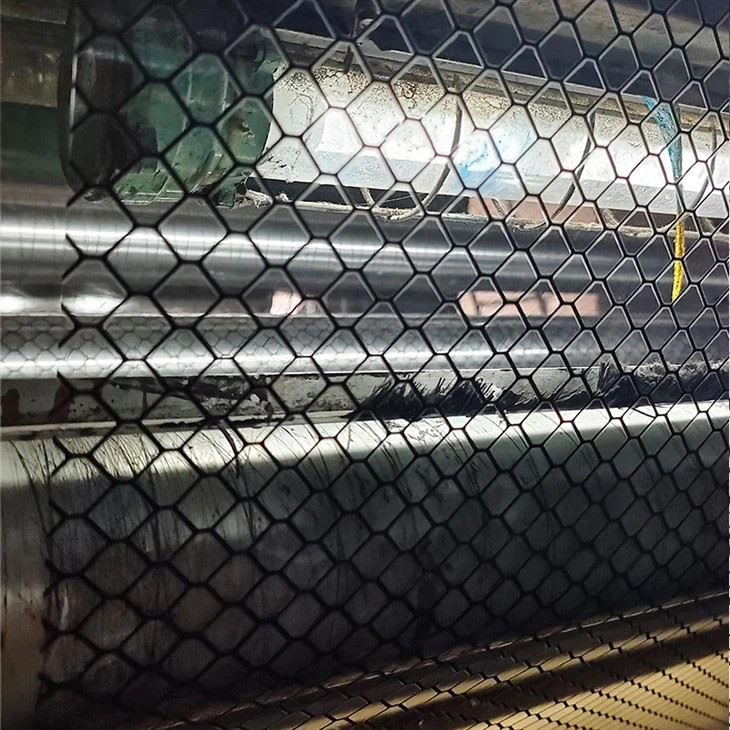
We also offer other related products like Double - Sided PVC ESD Curtain and Yellow PVC Grid Curtain. These products have their own unique properties and applications, and they can also benefit from proper adhesion techniques.
Conclusion
Making Clear PVC Film Roll stick better isn't rocket science, but it does require a bit of knowledge and attention to detail. By understanding the factors that affect adhesion, choosing the right adhesive, using the proper application techniques, and considering the environmental factors, you can ensure a strong and long - lasting bond.
If you're interested in purchasing our Clear PVC Film Roll or any of our other products, we'd love to have a chat with you. Whether you have questions about adhesion or just want to learn more about our products, feel free to reach out. We're here to help you find the best solutions for your needs.
References
- "Adhesives and Sealants Handbook" by David A. Satas
- "Plastic Films: Technology and Packaging Applications" by Wilmer W. Schrenk