

Hey there! As a supplier of waterproof PVC tarpaulin, I often get asked about how it stacks up against polyester tarpaulin in terms of strength. So, let's dive right in and compare these two popular types of tarpaulins.
Understanding the Basics
First off, let's understand what we're dealing with. PVC tarpaulin is made from polyvinyl chloride, a synthetic plastic polymer. It's coated on a fabric base, usually polyester or nylon, to make it waterproof. On the other hand, polyester tarpaulin is made from woven polyester fibers, which are then treated to make them water - resistant.
Tensile Strength
Tensile strength is a key measure of how much pulling force a tarpaulin can withstand before it breaks. PVC tarpaulins generally have a high tensile strength. The PVC coating adds an extra layer of durability to the base fabric. For instance, our 1000D PVC Tarpaulin is known for its excellent tensile strength. The "1000D" refers to the denier, a unit of measurement for the thickness of the fabric. A higher denier means a thicker and stronger fabric.
Polyester tarpaulins also have good tensile strength, but they may not be as strong as PVC tarpaulins in some cases. The woven polyester fibers provide a decent amount of strength, but without the additional PVC coating, they can be more prone to tearing under high stress.
Tear Resistance
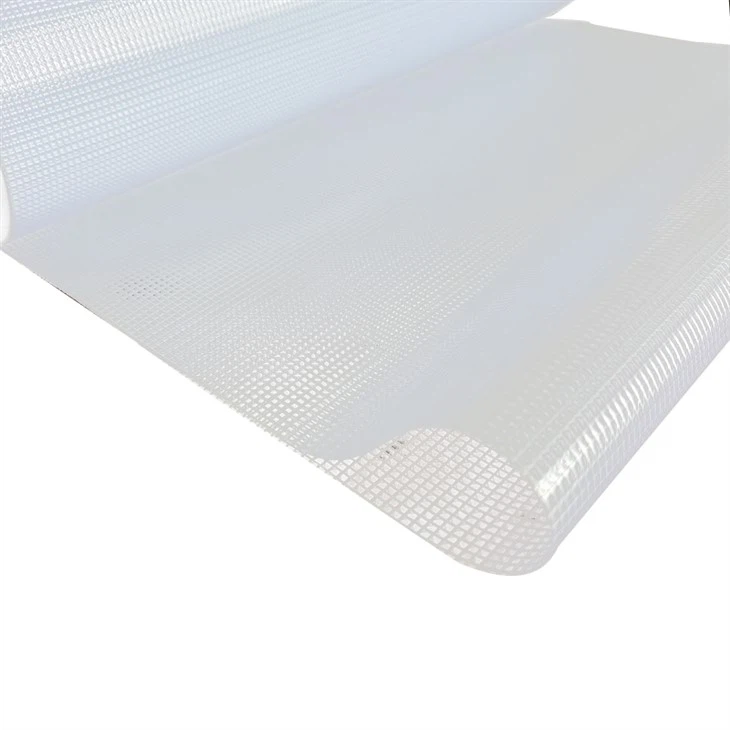
When it comes to tear resistance, PVC tarpaulins have an edge. The PVC coating acts as a barrier that helps prevent tears from spreading. Even if a small tear occurs, the coating can stop it from getting bigger. Our PVC Transparent Tarpaulin is a great example. It not only offers transparency but also has high tear resistance, making it suitable for applications where it might be exposed to sharp objects.
Polyester tarpaulins, while they do have some tear - resistant properties, may not be as effective in preventing tear propagation. Once a tear starts, it can spread more easily through the woven polyester fibers.
Abrasion Resistance
Abrasion resistance is important, especially if the tarpaulin is going to be used in rough environments. PVC tarpaulins are generally more abrasion - resistant than polyester tarpaulins. The PVC coating provides a tough outer layer that can withstand rubbing and scraping against rough surfaces. Our Clear PVC Waterproof Tarpaulin is designed to be durable in harsh conditions, and its abrasion resistance is one of its key features.
Polyester tarpaulins can also resist abrasion to some extent, but over time, the friction can wear down the fibers, reducing their strength and lifespan.
UV Resistance
Exposure to sunlight can cause damage to tarpaulins over time. PVC tarpaulins are usually treated with UV stabilizers, which help protect them from the harmful effects of the sun. This means they can maintain their strength and integrity for longer periods when exposed to sunlight.
Polyester tarpaulins may also have some UV - resistant properties, but they may not be as effective as PVC tarpaulins. Prolonged exposure to sunlight can cause the polyester fibers to weaken and become brittle.

Applications and Strength Requirements
The choice between PVC and polyester tarpaulins also depends on the specific application. If you need a tarpaulin for heavy - duty applications such as covering construction equipment, trucks, or large outdoor storage areas, PVC tarpaulins are often the better choice due to their superior strength.
For lighter applications like covering small items in a backyard or for temporary use, polyester tarpaulins may be sufficient. They are usually more affordable and can still provide adequate protection.
Cost - Strength Ratio
When considering the cost - strength ratio, PVC tarpaulins may be more expensive upfront, but their longer lifespan and higher strength can make them a more cost - effective option in the long run. Polyester tarpaulins are generally cheaper, but they may need to be replaced more frequently, especially if they are used in demanding environments.
Conclusion
In conclusion, when it comes to strength, waterproof PVC tarpaulins have several advantages over polyester tarpaulins. They offer higher tensile strength, better tear and abrasion resistance, and superior UV protection. However, the choice between the two depends on your specific needs, budget, and the intended application.
If you're in the market for a high - strength tarpaulin, I'd highly recommend considering our waterproof PVC tarpaulins. We have a wide range of products to suit different requirements. Whether you need a 1000D PVC Tarpaulin for heavy - duty use or a PVC Transparent Tarpaulin for a more specialized application, we've got you covered.
If you're interested in learning more about our products or have any questions about which tarpaulin is right for you, don't hesitate to reach out. We're here to help you make the best choice for your needs. Let's start a conversation about your tarpaulin requirements and see how we can assist you.
References
- "Tarpaulin Materials and Their Properties" - Textile Research Journal
- "Comparative Study of PVC and Polyester Tarpaulins" - Journal of Materials Science and Engineering