

As a supplier of Anti Statistic Mats, I often get asked about the chemical resistance of these mats. In this blog post, I'll explore the question "Is Anti Statistic Mat resistant to chemicals?" and provide you with a comprehensive answer based on scientific knowledge and real - world experience.
Understanding Anti Statistic Mats
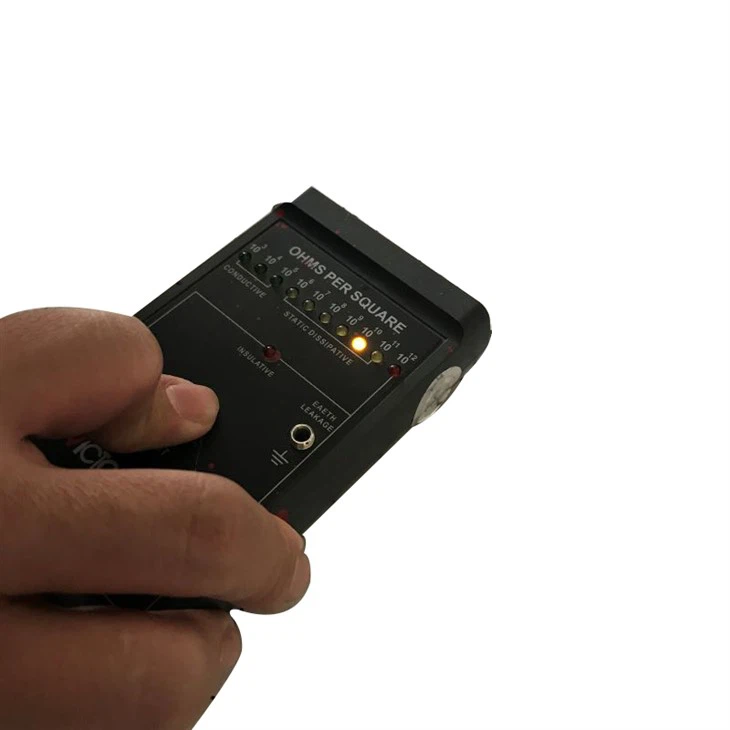
Anti Statistic Mats are designed to prevent the build - up of static electricity. They are commonly used in environments where static electricity can cause damage to sensitive electronic components, such as in electronics manufacturing plants, data centers, and laboratories. These mats are typically made from materials that have conductive or dissipative properties, which allow static charges to be safely discharged.
Chemical Resistance: What Does It Mean?
Chemical resistance refers to a material's ability to withstand the effects of various chemicals without significant degradation. When we talk about the chemical resistance of an Anti Statistic Mat, we are interested in how well it can resist exposure to different types of chemicals, including solvents, acids, bases, and cleaning agents.
Factors Affecting Chemical Resistance
Several factors can influence the chemical resistance of an Anti Statistic Mat:
Material Composition
The type of material used to make the mat plays a crucial role in its chemical resistance. For example, mats made from rubber or PVC may have different chemical resistance properties. PVC (Polyvinyl Chloride) is a common material for Anti Statistic Mats. It has good resistance to many chemicals, but its performance can vary depending on the specific formulation and additives used.
Chemical Type
Different chemicals have different effects on materials. For instance, strong acids and bases can be more corrosive than mild solvents. Some chemicals may cause swelling, cracking, or discoloration of the mat, while others may have little to no effect.
Exposure Time and Concentration
The longer the mat is exposed to a chemical and the higher the concentration of the chemical, the more likely it is to experience damage. Even a relatively resistant material may show signs of degradation if exposed to a high - concentration chemical for an extended period.
Chemical Resistance of Anti Statistic Mats Made from PVC
As a supplier, I often deal with PVC - based Anti Statistic Mats. PVC has some inherent chemical resistance properties. It is resistant to many common solvents, such as alcohols and some hydrocarbons. However, it is not immune to all chemicals.
Resistance to Common Solvents
PVC Anti Statistic Mats can generally withstand exposure to mild solvents like isopropyl alcohol, which is commonly used for cleaning electronic components. These mats can maintain their physical and electrical properties after short - term exposure to such solvents.
Vulnerability to Strong Acids and Bases
On the other hand, strong acids and bases can pose a challenge to PVC mats. For example, concentrated sulfuric acid or sodium hydroxide can cause the PVC to degrade, leading to changes in its appearance and performance. The acid or base may react with the PVC, breaking down its molecular structure and reducing its anti - static properties.
Testing for Chemical Resistance
To determine the chemical resistance of an Anti Statistic Mat, various testing methods can be used. One common method is the immersion test, where a sample of the mat is immersed in a specific chemical for a set period of time. After the immersion, the sample is examined for changes in appearance, such as swelling, discoloration, or cracking, as well as changes in its electrical properties.
Another approach is the spot test, where a small amount of the chemical is applied to a specific area of the mat. This allows for a quick assessment of the mat's reaction to the chemical without having to immerse the entire mat.
Real - World Applications and Chemical Exposure
In real - world applications, Anti Statistic Mats may be exposed to a variety of chemicals. For example, in a laboratory setting, mats may come into contact with chemical reagents, while in an electronics manufacturing plant, they may be exposed to cleaning agents and solvents.
It is important for users to understand the chemical environment in which the mats will be used and choose mats with appropriate chemical resistance. If a mat is going to be exposed to strong chemicals, it may be necessary to select a mat made from a more chemically resistant material or to take additional protective measures.
Complementary Products
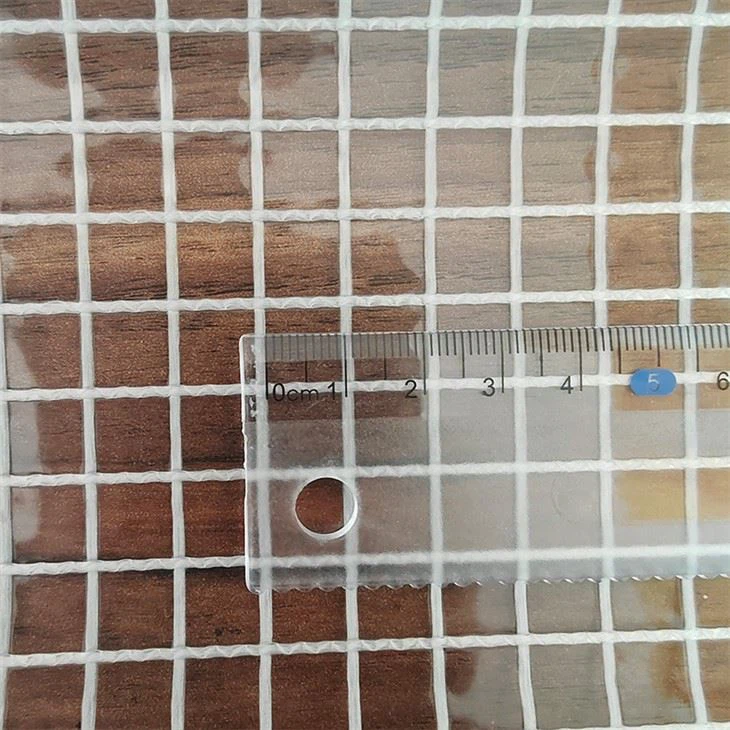
In addition to Anti Statistic Mats, we also offer other related products that may be useful in chemical - resistant applications. For example, Clear PVC Film Roll can be used as a protective layer over the mat to provide an extra barrier against chemicals. PVC Coated Mesh Fabric is another option that can be used in areas where both anti - static properties and chemical resistance are required.
Conclusion and Call to Action
In conclusion, the chemical resistance of an Anti Statistic Mat depends on several factors, including the material composition, the type of chemical, and the exposure time and concentration. While PVC - based Anti Statistic Mats have some level of chemical resistance, they may not be suitable for all chemical environments.
If you are in the market for Anti Statistic Mats or related products and need to ensure chemical resistance for your specific application, I encourage you to contact us. Our team of experts can help you select the right product and provide you with detailed information about its chemical resistance properties. We are committed to providing high - quality products that meet your needs and ensure the safety and efficiency of your operations.
References
- ASTM International. (20XX). Standard test methods for evaluating the chemical resistance of plastics.
- Manufacturer's product specifications for Anti Statistic Mats.
- Research papers on the chemical properties of PVC and other materials used in Anti Statistic Mats.