

Hey there! As a supplier of Transparent EVA Tarp, I'm super stoked to dive into the topic of its heat - sealing property. In this blog, I'll share everything you need to know about how this amazing material behaves when it comes to heat - sealing.
What is Transparent EVA Tarp?
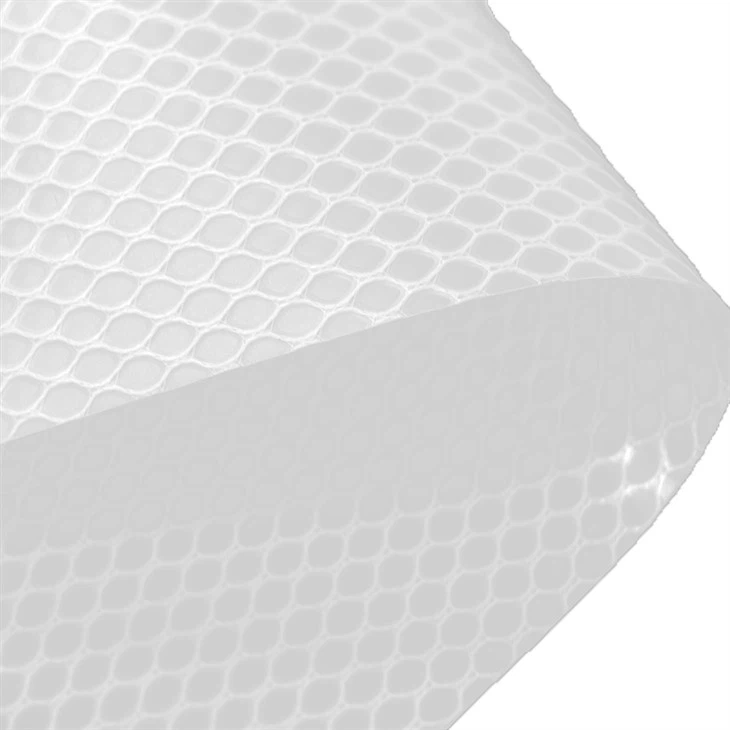
Before we get into the heat - sealing part, let's quickly chat about what Transparent EVA Tarp is. EVA stands for Ethylene - Vinyl Acetate. It's a copolymer that combines ethylene and vinyl acetate. Transparent EVA Tarp is made by coating a mesh fabric with EVA, resulting in a clear, flexible, and durable material. This tarp is used in a ton of applications, from greenhouses to event covers, thanks to its transparency and strength.
Why Heat - Sealing Matters
Heat - sealing is a crucial process when it comes to working with Transparent EVA Tarp. It allows us to join two pieces of the tarp together to create larger sheets or to make custom - sized covers. When done right, heat - sealing creates a strong, watertight, and airtight bond. This is super important because it ensures that the tarp can effectively protect whatever it's covering from the elements.
How Heat - Sealing Works with Transparent EVA Tarp
The heat - sealing process involves applying heat to the edges of two pieces of Transparent EVA Tarp. The heat softens the EVA coating, allowing the two pieces to fuse together. Once the material cools down, a solid bond is formed.
There are a few different ways to heat - seal Transparent EVA Tarp. One common method is using a heat sealer machine. These machines come in various sizes and types, from handheld units for small projects to large industrial machines for high - volume production. They typically have a heating element that can be adjusted to the right temperature for the EVA material.
Another way is to use a heat gun. A heat gun is a more portable option, which is great for on - site repairs or small - scale projects. However, it requires a bit more skill to use because you need to make sure you're applying the right amount of heat evenly across the edges.

Factors Affecting Heat - Sealing
Several factors can affect the heat - sealing process of Transparent EVA Tarp.
Temperature
The temperature is crucial. If it's too low, the EVA won't soften enough to form a good bond. On the other hand, if it's too high, the material can melt or get damaged. The ideal temperature usually depends on the specific type of EVA used in the tarp. Most manufacturers will provide guidelines on the recommended temperature range for heat - sealing.
Pressure
Applying the right amount of pressure during the heat - sealing process is also important. Pressure helps to ensure that the two pieces of tarp are in close contact and that the bond is strong. Heat sealer machines often have adjustable pressure settings, allowing you to find the perfect balance.
Time
The time for which the heat and pressure are applied also matters. If you don't hold the pieces together long enough, the bond may not be fully formed. But if you overdo it, you can damage the material. Again, following the manufacturer's guidelines is key here.
Advantages of Heat - Sealed Transparent EVA Tarp
There are several benefits to using heat - sealed Transparent EVA Tarp.
Strength
A well - heat - sealed bond is incredibly strong. It can withstand a lot of stress, whether it's from wind, rain, or other environmental factors. This means that your tarp will last longer and provide better protection.
Waterproof and Airtight
The heat - sealing process creates a waterproof and airtight seal. This is essential for applications like greenhouses, where you want to keep the interior environment controlled. It also helps to prevent water from seeping in and causing damage to whatever the tarp is covering.
Customization
Heat - sealing allows for easy customization. You can create tarps of different sizes and shapes to fit your specific needs. Whether you need a small cover for a piece of equipment or a large tarp for an outdoor event, heat - sealing makes it possible.
Comparing with Other Tarp Types
Let's take a quick look at how Transparent EVA Tarp's heat - sealing property compares to other types of tarps.
Matte EVA Tarp has a similar heat - sealing process. The matte finish gives it a different look, but the heat - sealing principles are the same. The bond strength and waterproofing capabilities are also comparable.
Clear EVA Tarpaulin is very similar to Transparent EVA Tarp in terms of heat - sealing. The clear appearance makes it great for applications where visibility is important, and the heat - sealed joints are just as strong.
Frosted EVA Tarpaulin also has good heat - sealing properties. The frosted finish adds a bit of privacy while still maintaining the functionality of the heat - sealed joints.
Tips for Heat - Sealing Transparent EVA Tarp
If you're planning to heat - seal Transparent EVA Tarp, here are some tips to keep in mind:
- Prepare the edges: Make sure the edges of the tarp are clean and free of any dirt or debris. This will help to ensure a better bond.
- Test on a small piece: Before you start heat - sealing a large area, it's a good idea to test the process on a small piece of tarp. This way, you can adjust the temperature, pressure, and time as needed.
- Use the right tools: Invest in a good quality heat sealer or heat gun. Using the right tools will make the process much easier and more effective.
Conclusion
The heat - sealing property of Transparent EVA Tarp is a game - changer. It allows for strong, waterproof, and customizable solutions for a wide range of applications. Whether you're in the greenhouse business, event planning, or any other industry that requires reliable tarps, understanding and utilizing the heat - sealing process is essential.
If you're interested in purchasing Transparent EVA Tarp or have any questions about heat - sealing or our products, feel free to reach out. We're here to help you find the perfect solution for your needs.
References
- General knowledge about EVA materials and tarp manufacturing processes.
- Manufacturer's guidelines for Transparent EVA Tarp heat - sealing.