

As an antistatic PVC supplier, I often get asked about the maximum temperature that antistatic PVC can withstand. It's a crucial question, especially for industries where temperature control is a big deal. So, let's dive right into it.
Antistatic PVC is a special type of PVC that has been treated to reduce static electricity. This makes it great for environments where static can cause problems, like electronics manufacturing or clean rooms. But like all materials, it has its limits when it comes to temperature.
Understanding the Basics of Antistatic PVC
Before we talk about temperature limits, let's quickly go over what antistatic PVC is. PVC, or polyvinyl chloride, is a widely used plastic known for its durability, flexibility, and affordability. Antistatic PVC is regular PVC with additives that help dissipate static charges. These additives can be either internal (mixed into the PVC during production) or external (applied as a coating).
The antistatic properties of PVC are important because static electricity can attract dust and debris, which can damage sensitive equipment or contaminate products. In industries like electronics, a single static discharge can fry a circuit board, leading to costly repairs and downtime.
Factors Affecting the Temperature Resistance of Antistatic PVC
The maximum temperature that antistatic PVC can withstand depends on several factors. One of the most important factors is the type of additives used. Different additives have different temperature ratings, so the specific formulation of the antistatic PVC will play a big role in determining its temperature resistance.
Another factor is the thickness of the PVC. Thicker PVC generally has better heat resistance than thinner PVC. This is because the thicker material can absorb more heat without deforming or melting.
The manufacturing process also affects the temperature resistance of antistatic PVC. PVC that has been properly cured and processed is more likely to have better heat resistance than PVC that has been poorly manufactured.
Typical Temperature Limits of Antistatic PVC
In general, antistatic PVC can withstand temperatures ranging from -20°C to 60°C (-4°F to 140°F). However, this can vary depending on the specific product and its intended use. Some antistatic PVC products are designed to withstand higher temperatures, while others are more suitable for lower temperature applications.
For example, PVC Coated Mesh Fabric is often used in applications where ventilation and flexibility are important. This type of antistatic PVC can typically withstand temperatures up to 50°C (122°F). On the other hand, Black PVC Grid Curtain and ESD PVC Grid Curtain are commonly used in industrial settings and can usually handle temperatures up to 60°C (140°F).
Testing and Certification
To ensure that our antistatic PVC products meet the highest standards of quality and performance, we conduct rigorous testing. This includes testing for temperature resistance, as well as other properties like antistatic effectiveness, durability, and chemical resistance.
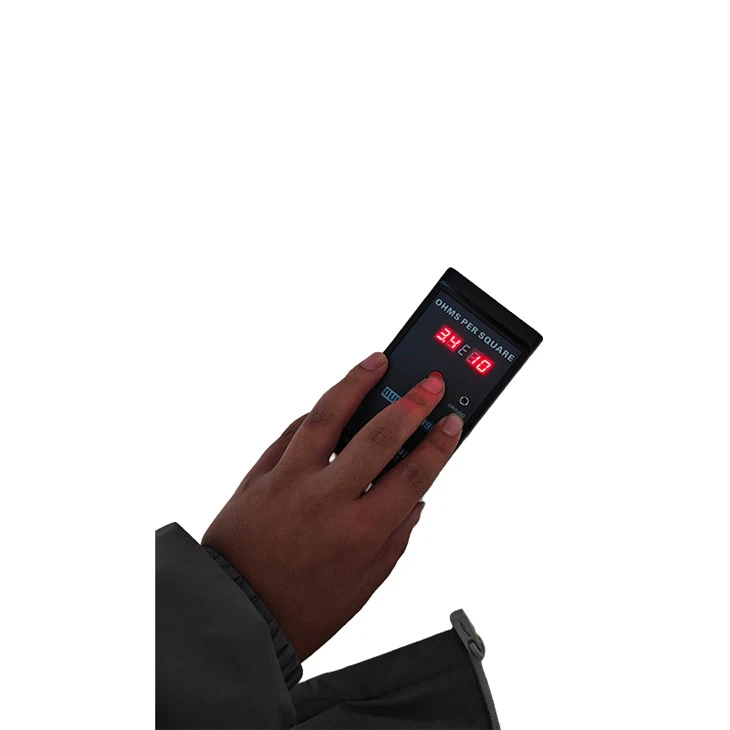
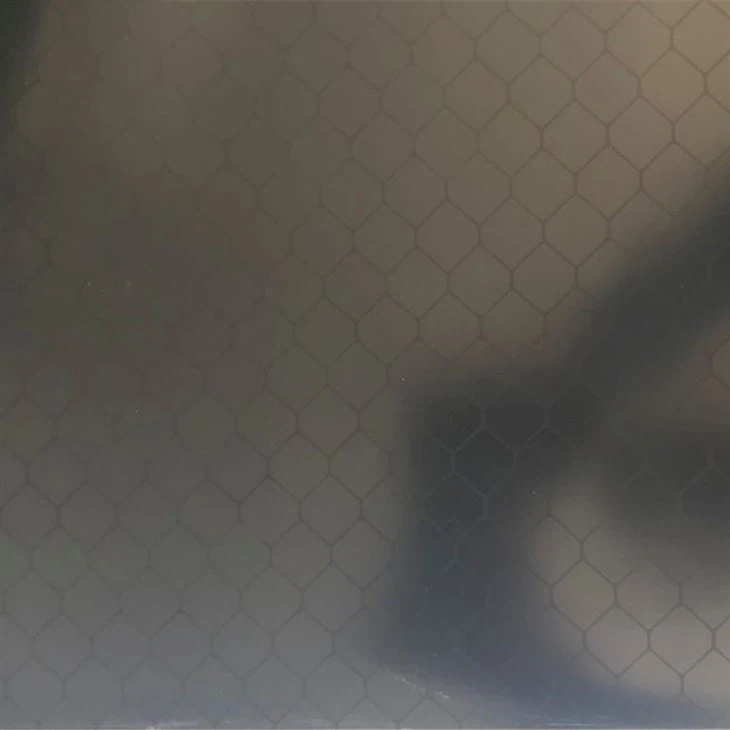
We also work with independent testing laboratories to obtain certifications for our products. These certifications provide our customers with peace of mind, knowing that our antistatic PVC products have been tested and approved for use in various applications.
Applications and Considerations
Antistatic PVC is used in a wide range of applications, from electronics manufacturing to food processing. When choosing an antistatic PVC product for a specific application, it's important to consider the temperature requirements of the environment.
If the application involves high temperatures, it's crucial to choose an antistatic PVC product that can withstand those temperatures. Using a product that is not rated for the temperature of the environment can lead to deformation, melting, or other issues that can compromise the performance of the product.
On the other hand, if the application involves low temperatures, it's important to choose an antistatic PVC product that is flexible and can withstand cold temperatures without becoming brittle.
Conclusion
In conclusion, the maximum temperature that antistatic PVC can withstand depends on several factors, including the type of additives, the thickness of the PVC, and the manufacturing process. In general, antistatic PVC can withstand temperatures ranging from -20°C to 60°C (-4°F to 140°F), but this can vary depending on the specific product.
As an antistatic PVC supplier, we are committed to providing our customers with high-quality products that meet their specific needs. If you have any questions about the temperature resistance of our antistatic PVC products or need help choosing the right product for your application, please don't hesitate to contact us. We're here to help you make the best decision for your business.
References
- "Polyvinyl Chloride (PVC) - Properties, Applications, and Recycling." PlasticsEurope.
- "Antistatic Materials: A Guide to Understanding and Selecting the Right Product." Electrostatic Discharge Association.