

Hey there! As an antistatic PVC supplier, I often get asked about how to control static generation on antistatic PVC surfaces. It's a crucial topic, especially in industries where static can cause a whole bunch of problems, like attracting dust, interfering with electronic equipment, or even causing sparks that could lead to fires or explosions. So, let's dive into some practical ways to keep that static in check.
Understanding Static Generation on Antistatic PVC
First off, it's important to know why static builds up on PVC surfaces in the first place. PVC is an insulator, which means it doesn't conduct electricity well. When two materials rub against each other, electrons can transfer from one to the other, creating a charge imbalance. This imbalance results in static electricity.
Antistatic PVC is designed to reduce this static buildup, but it's not completely immune. Factors like humidity, temperature, and the type of contact can all affect how much static is generated. For example, in dry environments, static is more likely to build up because there's less moisture in the air to help dissipate the charge.
Controlling Static Through Environmental Factors
One of the simplest ways to control static on antistatic PVC surfaces is by adjusting the environment. Humidity plays a huge role in static generation. When the air is dry, static charges can build up more easily. By increasing the humidity in the area where the antistatic PVC is used, you can help reduce static.
A good rule of thumb is to maintain a relative humidity of around 40 - 60%. You can use a humidifier to add moisture to the air. This not only helps with static control but also has other benefits, like improving air quality and reducing the risk of respiratory problems.
Temperature can also affect static generation. Higher temperatures can increase the movement of electrons, leading to more static buildup. Try to keep the temperature in the area stable and within a reasonable range. If possible, avoid extreme temperature fluctuations, as these can cause the PVC to expand and contract, which may also contribute to static.
Proper Handling and Installation
How you handle and install antistatic PVC can also impact static generation. When handling the PVC, make sure your hands are clean and dry. Oils and moisture on your hands can transfer to the surface and affect its antistatic properties. Use gloves if necessary to prevent direct contact.
During installation, avoid dragging the PVC across rough surfaces or rubbing it against other materials. This can generate friction and cause static to build up. Instead, use smooth, clean tools and handle the PVC gently. Make sure the installation is done in a clean environment to prevent dust and debris from getting trapped between the PVC and the surface it's being installed on.
Using Antistatic Additives
Antistatic additives can be a great way to enhance the antistatic properties of PVC. These additives work by either reducing the surface resistance of the PVC or by attracting moisture to the surface, which helps to dissipate static charges.
There are different types of antistatic additives available, including internal and external additives. Internal additives are mixed into the PVC during the manufacturing process, while external additives are applied to the surface after the PVC is made.
When choosing an antistatic additive, consider factors like the type of PVC, the intended use of the product, and the environmental conditions. Some additives may be more effective in certain situations than others. It's also important to follow the manufacturer's instructions when using these additives to ensure they are used correctly.
Regular Cleaning and Maintenance
Keeping antistatic PVC surfaces clean is essential for maintaining their antistatic properties. Dust and dirt can accumulate on the surface and interfere with the static dissipation process. Regular cleaning can help remove these contaminants and keep the surface functioning properly.
Use a mild, non-abrasive cleaner and a soft cloth to clean the PVC. Avoid using harsh chemicals or abrasive materials, as these can damage the surface and reduce its antistatic effectiveness. After cleaning, make sure the surface is completely dry before using it again.
Grounding
Grounding is another important method for controlling static on antistatic PVC surfaces. Grounding involves connecting the PVC to a ground source, such as a metal rod or a grounding wire. This allows any static charges to flow safely to the ground, preventing them from building up on the surface.
When grounding antistatic PVC, make sure the connection is secure and the grounding system is properly installed. You may need to consult a professional electrician to ensure the grounding is done correctly.
Our Antistatic PVC Products
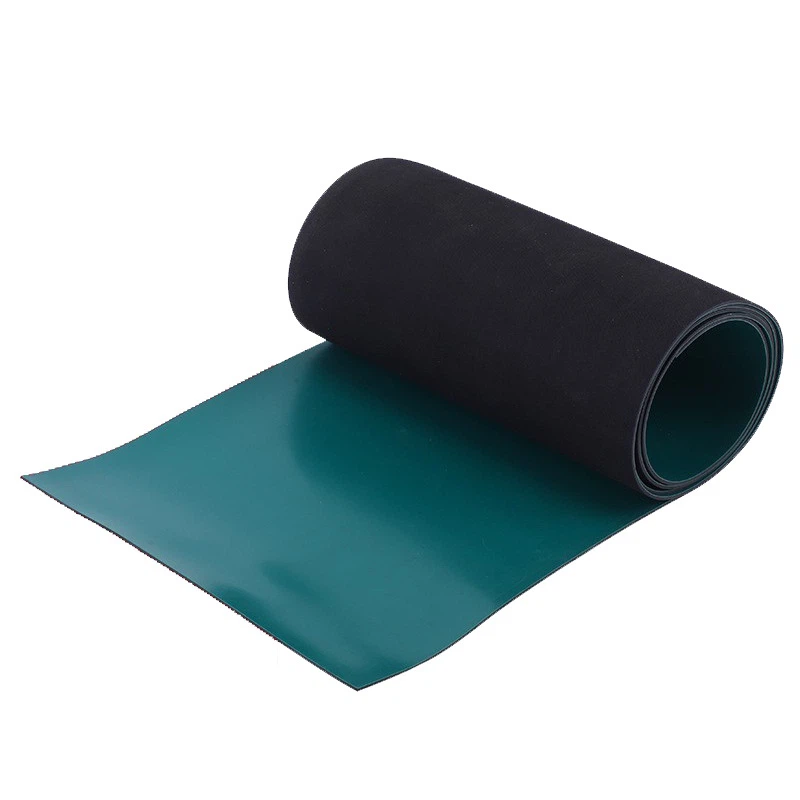
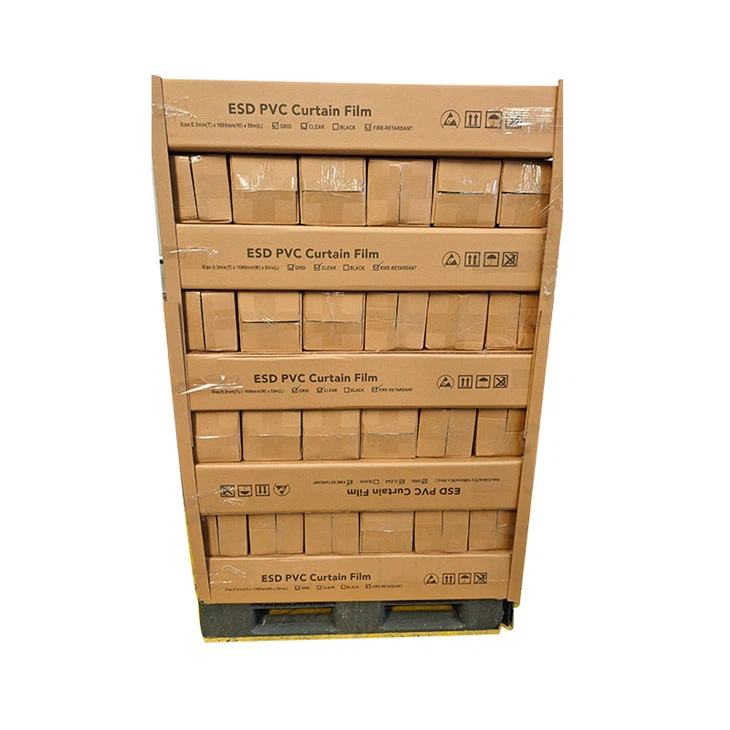
As an antistatic PVC supplier, we offer a wide range of products that are designed to help you control static in various applications. Check out our Double-Sided PVC ESD Curtain, which is perfect for creating a static-free environment in cleanrooms and electronic manufacturing facilities. Our ESD PVC Grid Curtain is another great option for controlling static in areas where visibility is important. And don't forget our Anti Statistic Mat, which provides a safe and comfortable surface for workers in static-sensitive environments.
Conclusion
Controlling static generation on antistatic PVC surfaces is essential for ensuring the safety and efficiency of your operations. By understanding the factors that contribute to static buildup and implementing the right strategies, you can effectively reduce static and protect your equipment and products.
If you're interested in learning more about our antistatic PVC products or have any questions about static control, feel free to reach out. We're here to help you find the best solutions for your needs.
References
- "Static Electricity and Its Control in the Workplace" - Occupational Safety and Health Administration (OSHA)
- "Antistatic Materials: Principles and Applications" - Journal of Electrostatics