

In the dynamic landscape of modern industry, the demand for innovative and high - performance materials is constantly on the rise. Among these materials, antistatic PVC has emerged as a remarkable solution with significant future development potential. As an antistatic PVC supplier, I have witnessed firsthand the growing importance and versatility of this material in various sectors.
Understanding Antistatic PVC
Antistatic PVC, a specialized form of polyvinyl chloride, is engineered to prevent the build - up of static electricity. This is achieved by incorporating additives or using specific manufacturing processes that modify the electrical properties of the PVC. Static electricity can cause a range of problems, from attracting dust and debris to causing damage to sensitive electronic components. Antistatic PVC addresses these issues by dissipating static charges, ensuring a safer and more efficient working environment.
Current Applications of Antistatic PVC
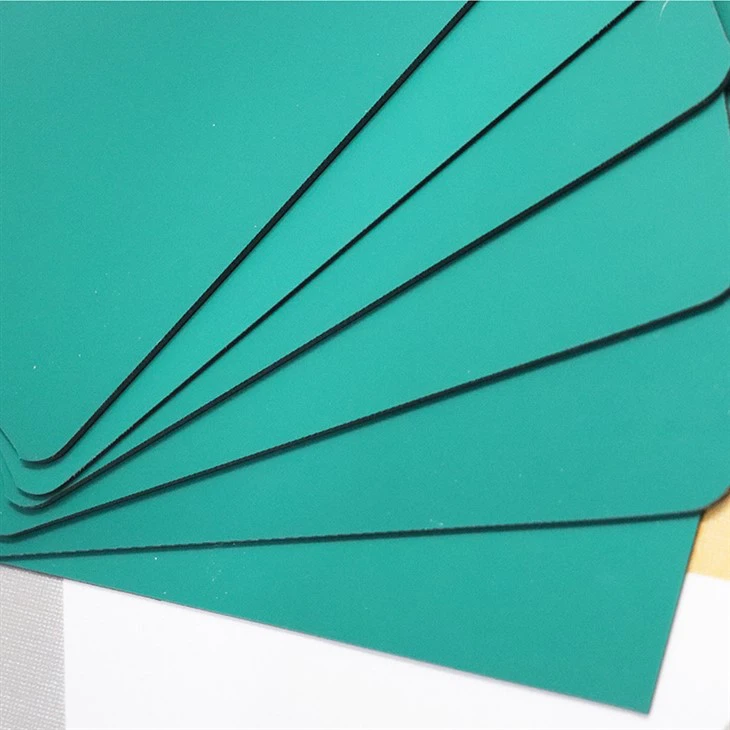
Antistatic PVC is already widely used in numerous industries. In the electronics industry, for example, it is used to manufacture Anti Statistic Mat. These mats are essential in workstations where electronic components are assembled or tested. They prevent static discharge from damaging delicate circuits, reducing the risk of product failure and improving overall quality control.
The packaging industry also benefits greatly from antistatic PVC. Products such as PVC Coated Mesh Fabric are used to package electronic devices, protecting them from static during transportation and storage. This type of packaging ensures that the products reach their destination in perfect condition, minimizing the need for returns and replacements.
In the industrial and commercial sectors, Black PVC Grid Curtain is a popular choice. These curtains are not only antistatic but also offer excellent visibility and durability. They are commonly used in cleanrooms, warehouses, and manufacturing facilities to separate different areas while preventing the spread of static - charged particles.
Future Development Potential
Advancements in Technology
As technology continues to evolve, the potential applications of antistatic PVC are expected to expand. With the development of nanotechnology, it is possible to create antistatic PVC materials with even better performance. Nanoparticles can be incorporated into the PVC matrix to enhance its antistatic properties, making it more effective in preventing static build - up.
In addition, the use of smart materials and sensors in combination with antistatic PVC could lead to the development of intelligent products. For example, antistatic PVC with built - in sensors could detect changes in static electricity levels and automatically adjust its properties to maintain a safe environment.
Growing Demand in Emerging Industries
The rise of emerging industries such as electric vehicles, renewable energy, and 5G technology is expected to drive the demand for antistatic PVC. In the electric vehicle industry, antistatic PVC can be used in battery packs, wiring harnesses, and interior components to prevent static - related issues. The renewable energy sector, including solar and wind power, also requires antistatic materials to protect sensitive electronic equipment from static damage.
The 5G technology infrastructure, which relies heavily on high - speed data transmission and sensitive electronic components, will need antistatic PVC for cable insulation, connectors, and equipment enclosures. As these industries continue to grow, the demand for antistatic PVC is likely to increase significantly.
Environmental Considerations
In recent years, there has been a growing focus on environmental sustainability. Antistatic PVC can play a role in this area by being more recyclable and eco - friendly. Manufacturers are investing in research and development to create antistatic PVC materials that can be easily recycled without losing their antistatic properties. This not only reduces waste but also meets the growing demand from environmentally conscious consumers and industries.

Challenges and Solutions
Cost
One of the main challenges in the development and use of antistatic PVC is the cost. The additives and manufacturing processes required to make PVC antistatic can be expensive, which may limit its widespread adoption. However, as the technology matures and economies of scale are achieved, the cost is expected to decrease. Additionally, the long - term benefits of using antistatic PVC, such as reduced product damage and improved efficiency, can offset the initial investment.
Compatibility
Another challenge is ensuring the compatibility of antistatic PVC with other materials. In some applications, antistatic PVC may need to be combined with other polymers or metals. Manufacturers need to conduct extensive testing to ensure that the antistatic PVC does not react negatively with other materials, which could affect the performance and durability of the final product.
Conclusion
The future development potential of antistatic PVC is extremely promising. With its wide range of current applications and the potential for further expansion in emerging industries, antistatic PVC is set to play a crucial role in the modern industrial landscape. As technology advances and environmental concerns become more prominent, the demand for high - performance, eco - friendly antistatic PVC will only continue to grow.
If you are interested in exploring the benefits of antistatic PVC for your business, I encourage you to reach out to us. Our team of experts can provide you with detailed information about our products and help you find the best solution for your specific needs. Whether you are in the electronics, packaging, or any other industry, we are committed to providing you with high - quality antistatic PVC products. Contact us today to start a discussion about your requirements and how we can assist you in achieving your goals.
References
- Smith, J. (2020). "Advances in Antistatic Materials for the Electronics Industry." Journal of Materials Science.
- Brown, A. (2021). "The Role of Antistatic PVC in Environmental Sustainability." Environmental Science Review.
- Green, C. (2022). "Antistatic PVC: Current Applications and Future Trends." Industrial Materials Journal.